
Our Location
Monday
8:00 am - 5:00 pm
Tuesday
7:00 am - 5:00 pm
Wednesday
10:00 am - 7:00 pm
Thursday
8:00 am - 5:00 pm
Friday
8:00 am - 5:00 pm
Saturday
9:00 am - 2:00 pm*
*2 times per month
*2 times per month


Even the most careful daily brushing and flossing leave areas the toothbrush and floss can’t reach. Routine professional dental cleanings are the most effective way to remove hardened deposits, identify early signs of disease, and reinforce habits that keep your mouth healthy over the long term. Cleanings are preventive, diagnostic, and educational — all in a single visit designed to preserve your smile and overall wellbeing.
Plaque is a sticky film that forms constantly on teeth; when it mineralizes, it becomes tartar, which can only be removed by a dental professional. Left in place, these deposits feed bacteria that irritate the gums and erode tooth enamel. Regular cleanings interrupt that process, reducing the risk of cavities and gum inflammation before they progress.
Beyond removing visible buildup, professional cleanings allow clinicians to evaluate the condition of your gums, tooth surfaces, and restorations. Early detection of gingivitis, small cavities, or failing margins means simpler, less invasive care down the road. In many cases, problems can be reversed or stabilized when caught early.
Maintaining a schedule of routine cleanings also reduces the cumulative burden of oral bacteria and inflammation. That consistent maintenance helps keep gums healthy, reduces bad breath, and supports the longevity of natural teeth and dental work. Think of professional cleanings as preventive maintenance that protects both function and appearance.
A typical appointment begins with a focused oral exam. Your hygienist will check gum health, look for signs of decay or wear, and note any changes from previous visits. This quick assessment guides the rest of the visit and ensures the care you receive is appropriate for your current needs.
Cleaning itself commonly involves a combination of instruments: hand scalers for precise removal in tight areas and ultrasonic devices that break up stubborn tartar with gentle vibrations and a coolant spray. These tools work together to remove deposits from above and just below the gumline without harming healthy tissue when used skillfully.
After scaling, teeth are smoothed and polished to remove surface stains and leave the enamel feeling clean. Your hygienist will finish with flossing and a brief reassessment of gum pockets. If sensitivity or tightness makes the procedure uncomfortable, topical gels or localized anesthetic can be used to improve comfort during treatment.
There is no single “right” interval for everyone. While twice-yearly visits are a common baseline, some patients benefit from more frequent cleanings depending on their oral health history. Factors such as gum disease, a history of rapid tartar buildup, certain medical conditions, or lifestyle habits may lead clinicians to recommend personalized recall schedules.
For patients who have experienced periodontal disease, maintenance cleanings focus not only on removing deposits but on monitoring pocket depths and controlling bacterial levels. These specialized visits are designed to prevent recurrence and to maintain the stability achieved after initial therapy.
Special populations—children, expectant mothers, people with diabetes, and tobacco users—often require adjusted approaches and closer monitoring. During your appointment, the team will discuss a plan that aligns with your health status and goals, including the best home-care techniques to complement in-office care.
Professional appointments are about more than cleaning; they are opportunities to catch problems in their earliest, most treatable stages. During a routine visit, clinicians screen for signs of decay, gum disease, changes in bite or wear patterns, and other oral health concerns that may not cause symptoms initially.
Many offices pair clinical exams with diagnostic tools such as digital radiography and intraoral cameras to gain a clearer view of areas that are hard to see. These technologies help identify cavities between teeth, assess bone levels around teeth, and document changes so that treatment decisions are based on objective information.
When issues are identified early, interventions can be conservative and focused. Reversing gingivitis through professional cleaning and improved home care, for example, prevents the need for more complex periodontal therapy later. Regular monitoring creates a record that helps your dental team act quickly when necessary.
At Chadha & Co Dental, our team combines gentle techniques with up-to-date technology to make cleanings efficient and comfortable. We prioritize clear communication, taking the time to explain what we’re doing and why, so patients leave appointments feeling informed and confident about their oral health.
Education is a central part of each cleaning. Hygienists provide tailored guidance on brushing methods, effective flossing strategies, and products that suit your smile. Small adjustments to your daily routine can yield significant improvements in gum health and the prevention of new decay.
Whether you’re coming in for a routine visit or maintenance after periodontal care, our focus is on preserving your natural teeth, minimizing discomfort, and equipping you with the knowledge to protect your smile between appointments. We strive to make every cleaning a proactive step toward long-term oral health.
Regular dental cleanings are a cornerstone of preventive dentistry: they remove hard-to-reach buildup, allow early detection of problems, and reinforce daily habits that preserve your smile. If you’d like to learn more about how professional cleanings can fit into your personalized care plan, please contact us for more information.

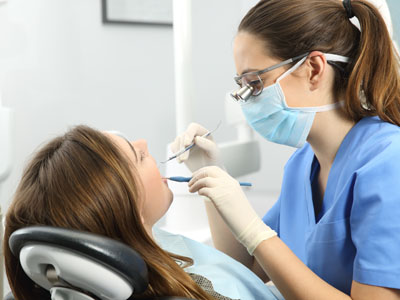
A professional dental cleaning is a clinical procedure performed by a licensed dental hygienist or dentist to remove plaque and hardened tartar from tooth surfaces. The visit typically includes a focused oral exam, scaling with hand instruments or ultrasonic devices, polishing, and flossing to leave teeth clean and smooth. Cleanings also offer an opportunity for clinicians to assess gum health and note any changes since prior visits.
These appointments are preventive and diagnostic in nature, aimed at interrupting the cycle of bacterial buildup that can lead to decay and gum disease. Modern cleanings make use of gentle techniques and technology to protect surrounding soft tissues while thoroughly removing deposits. The overall goal is to maintain oral health and identify issues early, when treatment can be simpler and more conservative.
Routine cleanings remove plaque and tartar that daily brushing and flossing cannot completely eliminate, which helps prevent cavities and gum inflammation. By reducing bacterial levels and smoothing rough areas on teeth, cleanings lower the chance of progression from gingivitis to more advanced periodontal disease. Regular appointments also help control bad breath and support the durability of natural teeth and dental restorations.
Beyond immediate removal of deposits, routine visits provide repeated monitoring that builds a clinical record of your oral health over time. This consistent surveillance allows clinicians to detect subtle changes early and recommend conservative interventions when appropriate. In this way, scheduled cleanings function as preventive maintenance that preserves both function and appearance.
Frequency varies by individual and should be based on clinical findings, oral health history, and risk factors rather than a single universal rule. For many patients, a twice-yearly recall is an appropriate baseline, but people with a history of periodontal disease, rapid tartar formation, certain medical conditions, or tobacco use may benefit from more frequent visits. Your dental team will recommend a personalized schedule after assessing gum pocket depths, buildup patterns, and overall risk.
Maintaining the recommended recall interval helps keep bacterial levels manageable and allows timely treatment if new issues appear. Regular appointments also create an opportunity to reinforce home-care techniques tailored to your needs. Following an individualized plan enhances long-term outcomes and reduces the likelihood of more invasive procedures later.
A modern cleaning appointment begins with a brief oral exam to evaluate gum health, restorations, and any changes since your last visit. Scaling is then performed using a combination of hand instruments and ultrasonic scalers to remove deposits above and below the gumline while preserving healthy tissue. After scaling, teeth are smoothed and polished to remove surface stains, followed by flossing and a final reassessment of pocket depths and tissue response.
If the patient experiences sensitivity or discomfort, hygienists can apply topical desensitizing gels or, when appropriate, localized anesthetic to improve comfort during treatment. Many practices also use digital radiography or intraoral cameras during or adjacent to the appointment to document areas of concern and guide care. The visit concludes with tailored oral hygiene instruction to support home care between appointments.
Most patients experience little to no pain during a routine cleaning, though sensitivity can occur, especially when tartar is extensive or gum tissues are inflamed. Clinicians use gentle techniques, adjustable ultrasonic settings, and careful hand instrumentation to minimize discomfort while effectively removing deposits. If needed, topical numbing gels or local anesthetic can be used for targeted areas to improve patient comfort.
Hygienists also take time to communicate throughout the procedure and accommodate requests for breaks or adjustments in pressure and technique. Simple pre-appointment steps, such as taking an over-the-counter analgesic if recommended by your clinician, can also help reduce anxiety and sensitivity. The emphasis is on preserving a calm, controlled experience while achieving thorough cleaning.
Cleansing appointments include a clinical exam that allows the dental team to identify early signs of decay, gingivitis, wear patterns, or failing margins on restorations. Detecting these issues at an early stage often means less-invasive interventions can restore health and prevent progression to more complex conditions. Documenting findings over time also reveals trends that may warrant preventive or restorative action before symptoms develop.
Many practices augment clinical exams with diagnostic tools such as digital X-rays and intraoral cameras to view areas that are not easily seen with a mirror. These technologies provide objective information about bone levels, interproximal decay, and the condition of restorations, enabling evidence-based decision making. Early detection supported by these measures improves outcomes and reduces the need for extensive treatment.
Yes. Professional cleanings are important for preserving the integrity and longevity of crowns, bridges, fillings, and implant restorations by removing bacterial buildup that can compromise margins and surrounding tissues. Hygienists are trained to clean around restorations and implants using instruments and techniques that minimize risk to prosthetic materials while effectively controlling plaque. Regular maintenance visits help detect early signs of marginal breakdown, peri-implant inflammation, or other issues that could threaten restoration longevity.
For patients with implants or complex restorations, cleanings may include specialized care and monitoring to ensure healthy soft tissue support and stable bone levels. The dental team will recommend an appropriate recall interval and home-care strategies tailored to those restorative needs. Preventive maintenance is a key measure to avoid more involved corrective procedures down the line.
Yes. Special populations often require adapted approaches and closer monitoring because systemic conditions and life stages can affect oral health and treatment tolerance. Children benefit from early preventive visits that include gentle cleanings, fluoride guidance, and education to establish lifelong habits. Pregnant patients should continue routine dental care, as hormonal changes can increase the risk of gingival inflammation, and their dental team will coordinate care to promote safety and comfort.
People with diabetes require careful monitoring because elevated blood sugar can increase susceptibility to gum disease and slow healing. Clinicians will discuss individualized recall intervals, reinforce home-care practices, and coordinate with medical providers when necessary. Across these groups, the focus is on balancing effective preventive care with personalized precautions that reflect overall health status.
Preparation for a cleaning is minimal but helpful steps include brushing and flossing thoroughly before arrival and bringing an up-to-date medical history or list of medications. If you are seeing the office for the first time, providing previous dental records or details of recent treatments can help clinicians plan your visit. Mention any current symptoms such as bleeding gums, sensitivity, or recent changes in your bite so the team can address them during the appointment.
If you have anxiety about dental visits, let the staff know ahead of time so they can offer comfort measures and explain the procedure to you. For patients with health conditions that require antibiotic prophylaxis or other medical considerations, confirm those needs with both your medical and dental providers prior to the appointment. Clear communication ensures the visit is safe, efficient, and tailored to your needs.
Personalized maintenance begins with a comprehensive assessment of your gum health, tartar patterns, restorations, lifestyle factors, and medical history to determine an appropriate recall interval and treatment plan. Hygienists provide individualized instruction on brushing techniques, effective flossing methods, and product recommendations based on your specific risk factors. This tailored approach helps patients address the root causes of buildup and inflammation rather than applying generic advice.
At Chadha & Co Dental, the team emphasizes a partnership with patients to set achievable goals and monitor progress at each recall visit. Follow-up adjustments to home-care routines and professional intervals are made as your oral health changes, ensuring that preventive strategies remain effective. The result is a maintenance program that supports long-term stability and fewer restorative needs over time.

Ready to schedule your next dental appointment or have questions about our services?
Contacting Chadha & Co Dental is easy! Our friendly staff is available to assist you with scheduling appointments, answering inquiries about treatment options, and addressing any concerns you may have. Whether you prefer to give us a call, send us an email, or fill out our convenient online contact form, we're here to help. Don't wait to take the first step towards achieving the smile of your dreams – reach out to us today and discover the difference personalized dental care can make.

Back to top