
Our Location
Monday
8:00 am - 5:00 pm
Tuesday
7:00 am - 5:00 pm
Wednesday
10:00 am - 7:00 pm
Thursday
8:00 am - 5:00 pm
Friday
8:00 am - 5:00 pm
Saturday
9:00 am - 2:00 pm*
*2 times per month
*2 times per month


Missing teeth do more than change how your smile looks — they alter how your mouth functions and how you feel about everyday activities like eating and speaking. Implant restorations rebuild the visible portion of a tooth after an implant has fused with the jaw, restoring both appearance and bite mechanics. Unlike removable options, restorations attached to dental implants recreate a fixed, stable tooth replacement that integrates with surrounding structures to preserve facial form and chewing ability.
Beyond aesthetics, implant restorations play an important role in supporting long-term oral health. When a tooth is lost, the surrounding bone can remodel and resorb over time; a well-placed implant and a properly designed restoration help distribute forces during chewing and can slow or prevent further bone loss. This functional benefit supports adjacent teeth and makes it easier to maintain daily oral hygiene routines that protect the entire mouth.
For many patients, the confidence that comes with a secure implant restoration is equally valuable. Speaking clearly, enjoying a varied diet, and smiling without hesitation are common outcomes when the prosthetic phase is completed with careful attention to fit and appearance. The result should look natural and feel comfortable — more like a restored tooth than a replacement.
The restoration phase begins only after the implant integrates with the jawbone, a process called osseointegration. Once this biological anchoring is complete, the implant provides a stable foundation for a prosthetic tooth. The restorative workflow typically involves selecting the correct abutment — the connector between implant and crown — taking precise impressions or digital scans, and fabricating a custom crown, bridge, or overdenture that aligns with your bite and soft-tissue contours.
Precision at each step matters. Accurate impressions or digital models capture how neighboring teeth meet the implant site, allowing laboratory technicians to craft restorations that harmonize with your smile. During try-in appointments, adjustments are made for occlusion (how teeth come together) and for the emergence profile, which influences both function and gum health. When fit, color, and comfort are confirmed, the final restoration is securely attached to the implant.
Depending on the clinical situation, restorations may be screw-retained or cemented. Both approaches have advantages: screw-retained restorations allow retrievability for maintenance, while cemented options can offer streamlined esthetics in certain cases. Your restorative dentist will recommend the best choice based on implant position, esthetic needs, and long-term serviceability.
Modern implant restorations use materials that balance strength and esthetics. High-strength ceramics such as zirconia and layered porcelain are common choices because they can mimic the translucency and color of natural teeth while withstanding daily chewing forces. For posterior teeth, materials are selected for durability, while anterior restorations emphasize lifelike shading and texture to blend seamlessly with neighboring teeth.
Design considerations go beyond material. The shape of the restoration must support healthy gum contours, avoid food traps, and provide a comfortable bite. Customized abutments can be shaped to create an ideal emergence profile, helping the gum tissue adapt naturally around the restoration and improving long-term hygiene access. Attention to proportions, surface finish, and shade matching helps ensure that the final result looks and feels like part of your original dentition.
Laboratory collaboration is an essential piece of the puzzle. Skilled dental technicians use digital workflows and precision milling to translate clinical information into a final prosthesis that meets both functional and cosmetic goals. When clinicians and technicians work closely, patients receive restorations that stand up to daily use while enhancing confidence and appearance.
Once an implant restoration is in place, simple daily habits make a big difference in longevity. Effective brushing and flossing around the restoration help prevent plaque buildup and gum inflammation. Tools such as interdental brushes, floss designed for implants, and antimicrobial rinses may be recommended to keep the tissues around the implant healthy. Regular professional cleanings and examinations allow your dental team to monitor the restoration, check for wear, and address any early changes before they become problems.
Routine follow-up visits also include assessing occlusion and the condition of adjacent teeth. Small adjustments to the bite can prevent excessive forces that might stress the restoration or implant components. In cases where restorations are screw-retained, periodic checks of component torque and seals are part of standard maintenance to ensure everything remains secure and functional.
While implant restorations are designed for long-term service, predictable maintenance and early intervention are key to avoiding complications. Maintaining good overall oral health — including managing gum disease risk and routine dental care — supports the health of the implant site and helps the restoration continue to perform well for years.
Successful implant restorations depend on coordination between surgical and restorative expertise. A careful diagnostic phase — using clinical examination and appropriate imaging — helps determine the best restorative plan and identifies any preparatory steps needed, such as bone grafting or soft-tissue augmentation. Restorations designed with an eye toward both esthetics and biomechanics reduce the likelihood of future adjustments and improve patient satisfaction.
The office of Chadha & Co Dental emphasizes a personalized approach. Treatment plans are developed with your goals and daily life in mind, ensuring that restorations not only look natural but also support your functional needs. Open communication during planning and try-in stages helps set realistic expectations and gives you a chance to review appearance and comfort before final placement.
When evaluating providers, consider their experience with implant prosthetics, the technologies they use for planning and fabrication, and their approach to long-term maintenance. A team that values careful planning, clear communication, and evidence-based techniques will help you achieve an outcome that restores function, supports oral health, and enhances confidence.
In summary, implant restorations are a reliable way to replace missing teeth with results that look natural and function well. By understanding the restoration process, the role of materials and design, and the importance of ongoing care, you can make informed decisions about tooth replacement. If you’d like to learn more about how implant restorations might fit your needs, please contact us for more information.

An implant restoration is the visible prosthetic tooth that attaches to a dental implant after the implant has integrated with the jawbone. It recreates the shape, color, and function of a natural tooth and can take the form of a single crown, a bridge, or an overdenture depending on the clinical situation. Properly designed restorations restore chewing efficiency and support surrounding tissues to preserve facial form and oral function.
Unlike removable prostheses, implant restorations are fixed or securely retained to the underlying implant system, which improves stability and patient comfort. The restoration phase focuses on precise fit, occlusion, and esthetics so the prosthesis looks and functions like a natural tooth. When successful, the restoration helps patients speak clearly, eat a varied diet, and regain confidence in their smile.
The restorative workflow begins after the dental implant achieves osseointegration and forms a stable foundation in the jawbone. At that point, the clinician selects or fabricates an abutment to connect the implant to the prosthetic tooth, captures accurate impressions or digital scans, and coordinates with the dental laboratory to design a custom restoration that matches the patient’s bite and adjacent teeth.
Multiple try-in appointments may be required to refine fit, occlusion, and emergence profile before the final attachment of the restoration. At the office of Chadha & Co Dental we emphasize careful communication between clinician, patient, and technician to ensure the final prosthesis meets both functional and esthetic goals. The final step secures the restoration to the implant, completing the prosthetic phase of treatment.
Modern implant restorations use high-strength ceramics and hybrid materials chosen for their balance of durability and esthetics. Zirconia and layered porcelain are common for crowns because they provide excellent strength while mimicking the translucency and color gradation of natural teeth, and metal-ceramic combinations may be used where additional strength is required.
Abutments are often titanium for strength or custom zirconia for superior esthetics in the anterior zone, and material selection depends on location, bite forces, and cosmetic demands. The restorative design also considers surface finish, contours, and contact points to support healthy gum tissue and simplify hygiene access.
Screw-retained restorations are fastened directly to the implant with a screw that can be accessed and removed if maintenance or repairs are needed, making them highly retrievable. Cemented restorations are bonded to an abutment with dental cement and can offer streamlined esthetics because there is no visible access hole, but they require careful cement control to avoid excess that may irritate soft tissue.
The choice between the two depends on implant position, esthetic priorities, and the need for future access to components. Your restorative dentist will recommend the option that best balances appearance, serviceability, and long-term maintenance for your specific case.
Implant restorations are designed for long-term durability and can function for many years or even decades when properly planned and maintained. Longevity depends on factors such as the quality of the underlying implant, the restorative materials used, the precision of the fit, and the patient’s oral hygiene and bite forces.
Other variables that influence lifespan include periodontal health of adjacent tissues, habits such as bruxism, and how promptly the patient seeks care for loose or damaged components. Regular professional checkups and timely interventions for wear or occlusal changes play a major role in extending the service life of the restoration.
Avoiding excessively hard foods or using teeth as tools reduces the risk of chipping or loosening a restoration, and patients who grind their teeth may be advised to wear a night guard to protect restorations. Consistent oral hygiene and attention to any signs of redness, bleeding, or discomfort will help preserve the restoration and the supporting implant.
After placement, routine follow-up visits are scheduled to monitor healing, assess occlusion, and check the integrity of components such as screws, abutments, and prosthetic margins. Professional cleanings and periodic radiographs allow your dental team to detect early changes in bone level or soft tissues and address any wear or mobility before larger problems develop.
For screw-retained restorations, periodic torque checks may be performed to confirm component stability, and adjustments to the bite can be made if necessary to redistribute forces. Your care team at Chadha & Co Dental will provide a personalized recall schedule and maintenance instructions to support the long-term success of your implant restoration.
Good candidates for implant restorations typically have adequate bone volume or are willing to undergo preparatory procedures such as bone grafting to provide implant support. Overall health, including controlled systemic conditions and good oral hygiene, contributes to successful outcomes, while uncontrolled gum disease or certain medical issues may require treatment or medical consultation prior to implant therapy.
Factors such as smoking, heavy bruxism, or insufficient soft tissue can influence treatment planning but do not automatically disqualify a patient; many conditions can be managed to enable implant restoration. A comprehensive evaluation including clinical exam and imaging helps the dentist determine suitability and outline any preparatory steps required for predictable results.
If a restoration becomes chipped, cracked, or loose, contact your dental provider promptly to prevent further damage or infection of the surrounding tissues. Do not attempt to remove or repair the restoration yourself; temporary measures such as avoiding chewing on the affected side and keeping the area clean can reduce risk while you await professional care.
Depending on the type of failure, a screw-retained restoration may be removed and repaired or replaced more easily than a cemented restoration, and the clinician will evaluate the implant, abutment, and prosthetic components to determine the appropriate repair strategy. Early assessment and timely repair increase the likelihood of preserving the implant and minimizing long-term complications.
Achieving a natural appearance and comfortable fit requires careful planning, precise impressions or digital scans, and collaboration with skilled dental technicians. Clinicians consider tooth proportions, shade, translucency, and surface texture, and they often use customized abutments to create an ideal emergence profile that supports healthy gum contours.
Try-in appointments allow adjustments to occlusion, contour, and color before final placement so the restoration integrates visually and functionally with the smile. When clinical and laboratory teams work closely and patients participate in the process, the result is a restoration that matches surrounding teeth and feels comfortable during everyday use.
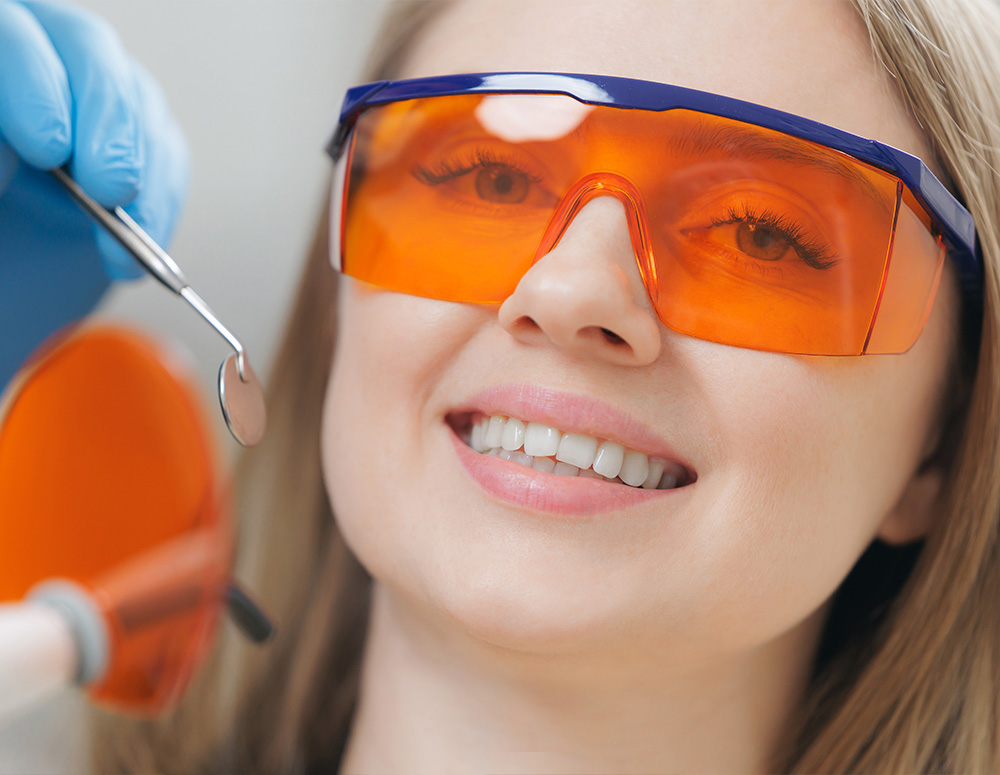
Ready to schedule your next dental appointment or have questions about our services?
Contacting Chadha & Co Dental is easy! Our friendly staff is available to assist you with scheduling appointments, answering inquiries about treatment options, and addressing any concerns you may have. Whether you prefer to give us a call, send us an email, or fill out our convenient online contact form, we're here to help. Don't wait to take the first step towards achieving the smile of your dreams – reach out to us today and discover the difference personalized dental care can make.


Back to top