
Our Location
Monday
8:00 am - 5:00 pm
Tuesday
7:00 am - 5:00 pm
Wednesday
10:00 am - 7:00 pm
Thursday
8:00 am - 5:00 pm
Friday
8:00 am - 5:00 pm
Saturday
9:00 am - 2:00 pm*
*2 times per month
*2 times per month


Gum disease is the leading cause of adult tooth loss, yet it often develops quietly and without obvious pain. According to the Centers for Disease Control and Prevention, nearly half of adults over 30 show signs of periodontal disease — a preventable condition when detected and managed early. At the office of Chadha & Co Dental, we focus on practical, evidence-based care to protect the tissues that keep your teeth stable and your smile healthy.
Gum disease starts when bacterial plaque accumulates along the gum line. Left unchecked, that plaque hardens into tartar and introduces toxins that inflame the soft tissues around the teeth. Initially, the body’s immune response creates redness and swelling as it attempts to fight the bacterial challenge.
In many cases the earliest stages of disease cause no pain, which is why routine dental exams are so important. If you notice persistent bleeding when you brush or floss, gums that look puffy or unusually red, or a change in how your teeth feel, those are early warning signs worth addressing.
Paying attention to these signals gives you the best chance to reverse the condition with conservative care. Below are common symptoms that often point to periodontal problems; if you recognize several of them, it’s a good idea to schedule an assessment.
Common signs of periodontal disease include:
Inflamed or tender gums
Bleeding during brushing or flossing
Receding gums that expose portions of the tooth root
Heightened sensitivity to hot or cold
Persistent bad breath or an unpleasant taste
Loose teeth or a feeling that teeth have shifted
New gaps appearing between teeth or a changed bite
Discharge around the gum line
Discomfort when biting or chewing
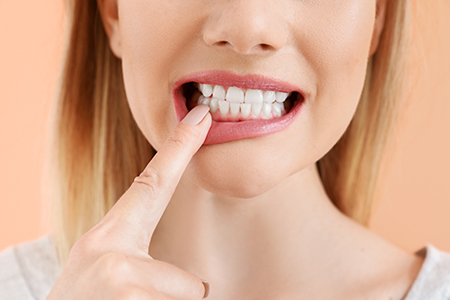
Oral tissues are connected to the rest of the body in ways that researchers are still mapping, and chronic inflammation in the mouth can influence general health. Studies have linked untreated periodontal disease with conditions such as diabetes control issues, cardiovascular problems, and respiratory concerns. While the relationships are complex, reducing oral inflammation is widely recognized as an important part of overall wellness.
Keeping periodontal inflammation under control supports day-to-day comfort and long-term function: healthy gums preserve the jawbone and the attachments that hold teeth in place. Preventive care — good home hygiene combined with regular professional maintenance — reduces the chance that local problems will evolve into systemic concerns.
We emphasize early intervention because stopping disease before it advances not only simplifies treatment but also helps protect your general health. Regular periodontal assessments allow clinicians to identify subtle changes in tissue or bone and respond with the least invasive option necessary.
Gingivitis is the name given to the earliest, reversible stage of periodontal disease. At this point, inflammation is present but the underlying bone and connective tissue remain intact. Signs can include redness, swelling, and bleeding during routine oral care, but many people dismiss these symptoms as minor or temporary.
The encouraging news is that gingivitis responds well to focused measures: improved brushing and interdental cleaning, a professional cleaning to remove plaque and calculus, and short-term monitoring. When patients adopt consistent home care habits and keep regular hygiene visits, the inflammatory changes typically subside and tissue health returns.
Addressing gingivitis promptly prevents progression to more destructive stages. Our approach balances patient education, hands-on debridement, and follow-up so that simple, effective solutions can restore health before permanent damage occurs.

If gingivitis is left untreated, the inflammatory process can extend below the gum line and begin to break down the bone and ligaments that anchor teeth — a condition known as periodontitis. As pockets form between the tooth and gum, bacteria become more difficult to remove and the tissues progressively deteriorate.
Periodontitis is a destructive, cumulative process. Over time, untreated disease leads to increased pocket depths, recession, and bone loss; these changes can affect aesthetics, chewing function, and eventually lead to tooth mobility or loss. The goal of treatment at this stage is to stop the disease and rebuild or preserve as much support as possible.
Modern periodontal care focuses on halting progression and restoring a clean, manageable environment around the teeth. Interventions at this point may combine mechanical cleaning, localized antimicrobial measures, and regenerative strategies when appropriate to encourage tissue repair.
Treatment begins with a careful clinical and radiographic evaluation to determine how far disease has progressed and which structures are affected. From there, clinicians recommend a tailored plan that takes into account the stage of disease, the patient’s overall health, and practical goals for comfort and function.
Early-stage disease is usually managed conservatively: professional deep cleanings to remove subgingival deposits, targeted antiseptics or antibiotic adjuncts when indicated, and a clear home-care strategy to keep bacteria in check. These measures aim to reduce pocket depth, control inflammation, and restore a healthy attachment to the teeth.
When pockets are deep or when bone loss is significant, surgical approaches may be necessary to access and clean root surfaces, reshape bone, or place grafting materials to support regeneration. Advances in technology — including laser-assisted procedures — have expanded options for both soft-tissue management and pocket reduction, offering more predictable outcomes in selected cases.

When disease is detected early, the preferred course is minimally invasive. Scaling and root planing remove plaque and calculus from the root surfaces below the gum line, smoothing areas where bacteria gather. These procedures, combined with disciplined home care and periodic maintenance, often restore tissue health without the need for surgery.
Adjunctive treatments can include locally placed antimicrobials or short courses of systemic medication in specific cases to reduce bacterial loads and support healing. The emphasis is always on using the least invasive, most effective approach to achieve a stable result.
For more advanced periodontitis, surgical options allow clinicians to directly access deep pockets, remove stubborn deposits, and recontour damaged bone. Flap procedures and pocket reduction surgeries aim to create a more maintainable environment and reduce the risk of further tissue loss.
When appropriate, regenerative techniques such as bone grafts and guided tissue regeneration can help restore lost structures and improve long-term stability. In select situations, laser therapy may be used as an adjunct to traditional surgery to enhance debridement and promote tissue healing.
Managing periodontal disease is a partnership between patient and clinician. Consistent oral hygiene, routine professional maintenance, and timely intervention form the foundation of long-term success. Our team focuses on clear communication, individualized care plans, and ongoing support to make healthy gums sustainable.
At Chadha & Co Dental, we combine careful diagnosis with proven treatment strategies, and we tailor recommendations to each patient’s needs and objectives. Whether the goal is to reverse early inflammation or to stabilize advanced disease, we prioritize solutions that preserve function and improve oral comfort.
If you’re noticing changes in your gums, or if it’s been a while since a periodontal evaluation, please contact us for more information about our approach to periodontal care and how we can help protect your smile.

Most people don’t realize that periodontal disease is the leading cause of tooth loss among adults. According to statistics from the Centers for Disease Control and Prevention, one out of every two adults over the age of 30 in the United States has periodontal disease.
You may be surprised to learn that the human mouth is home to a wide variety of microbes. The fact is that over 700 different strains of bacteria have been detected in the oral cavity. Although some of these bacteria are beneficial, others are harmful to oral health. Without proper oral hygiene and routine dental care, these harmful bacteria can cause tooth decay and gum disease, compromising both your oral health and overall wellbeing.
In addition to inadequate oral hygiene and infrequent professional care, other factors, including smoking, genetic tendencies, and unchecked diabetes, can contribute to the escalation of periodontal disease.
Your gums and teeth have an interdependent relationship, which means healthy teeth depend on the support of healthy gums. Also, taking care of your smile does more than keep your teeth and gums in optimal condition; good oral health also supports systemic health. In addition to being the leading cause of tooth loss in adults, researchers are finding more and more links between periodontal disease and a number of medical problems, including heart disease, stroke, diabetes, respiratory problems, and adverse pregnancy outcomes such as pre-term and low birth-weight babies.
If you notice that your gums are bleeding with the slightest pressure while brushing or flossing, it’s a sign of gingivitis. Although gingivitis is the earliest stage of gum disease, it can easily be reversed with deeper cleanings as well as an improved regimen of oral hygiene at home.
In the absence of professional treatment and better home care, gingivitis progresses to the next stage, which is known as periodontitis. In this stage, the connective tissue and bone that hold the teeth in place begin to break down with an increase in pocketing between the teeth and bone, gum recession, and bone loss. Without proper treatment by your dentist, periodontitis will progress from a mild to moderate loss of supporting tissue to the destruction of the bone around the teeth.
Although gingivitis can often be reversed with improved oral hygiene and professional cleanings, as periodontal disease advances, more extensive procedures are required to halt its progression. Based on a complete assessment of your periodontal health and a review of possible contributing factors, our office will recommend the best options in care. Treatment for periodontitis may include a series of deeper cleanings known as root planing and scaling, surgical procedures to reduce pocket depth, bone or tissue grafts, laser procedures, or antimicrobial medications.
The cost of care depends on the type of procedures required to restore your periodontal health. If you have dental insurance, plans often cover treatment to prevent gum disease as well as many procedures to treat the various stages of gum disease. Our goal is to help patients restore and maintain good oral health. We do all we can to help you begin care without additional stress or delay. Our business office works with you to maximize your benefits and provide easier, more convenient payment options.
By seeing our office regularly for care and doing your best to eat a healthy diet and practice good oral hygiene, you can keep your smile in tip-top shape as well as protect your overall wellbeing.
At the office of Chadha & Co Dental, we provide a comprehensive range of services to address all your oral healthcare needs. You can rest assured that your smile is in the best of hands at our office. Our skilled and experienced team maintains a position at the forefront of advances in care and remains dedicated to providing the highest quality of skilled and compassionate treatment.
Periodontal disease begins when bacterial plaque accumulates along the gum line and hardens into calculus, allowing harmful bacteria to persist beneath the gum. The body’s immune response to these bacteria causes inflammation that, over time, can damage the fibers and bone that support teeth. Several factors increase risk, including tobacco use, poorly controlled diabetes, certain medications, and a family history of aggressive gum disease.
Age and inconsistent oral hygiene also contribute to progression, and lifestyle factors such as stress and a high-sugar diet can worsen outcomes. Hormonal changes during pregnancy or menopause may make gums more susceptible to inflammation. At Chadha & Co Dental, we evaluate these risk factors during routine exams to personalize prevention and treatment strategies.
Early periodontal disease frequently causes subtle symptoms such as gums that bleed during brushing or flossing, persistent bad breath, or gums that appear red and swollen instead of pink and firm. Other common indicators include increased tooth sensitivity, minor gum recession that exposes more of the tooth, or a change in how your teeth fit together. Because early disease is often painless, these small changes are important signals to notice.
Recognizing symptoms early gives you the best chance to reverse inflammation with conservative measures and prevent bone loss. Routine dental exams and periodontal charting help detect changes that are not visible at home, so scheduling periodic assessments is an effective way to catch problems before they progress. If you notice any of these signs, request a periodontal evaluation to establish a care plan.
Gingivitis is the earliest and reversible form of gum disease characterized by inflammation confined to the soft tissues without loss of bone or connective tissue attachment. Symptoms commonly include redness, swelling and bleeding during oral hygiene, and gingivitis typically responds well to improved brushing, interdental cleaning and a professional cleaning. With prompt attention, the tissues can return to health because the supporting bone remains intact.
Periodontitis occurs when inflammation extends below the gum line and begins to destroy the ligament and bone that anchor teeth, producing deeper pockets and potential tooth mobility. Treatment for periodontitis focuses on halting destruction and restoring a maintainable environment, which may require a combination of nonsurgical therapy, adjunctive antimicrobials, and in some cases surgical or regenerative procedures. Early detection of gingivitis therefore plays a crucial role in preventing progression to periodontitis.
Non-surgical periodontal treatment centers on removing bacterial deposits from the root surfaces through scaling and root planing, which cleans subgingival plaque and calculus and smooths root irregularities. Adjunctive measures can include locally placed antimicrobials, short-term antiseptic rinses, and, in selected cases, systemic antibiotics to address specific bacterial profiles. Emphasis is also placed on patient instruction for optimized home care, including proper brushing technique and interdental cleaning to prevent reaccumulation of plaque.
The primary goals of conservative therapy are to reduce pocket depth, control inflammation and reestablish a healthy attachment between gum and tooth. Following initial therapy, patients enter a maintenance program with periodontal monitoring and professional cleanings at individualized intervals to sustain results. Consistent follow-up allows clinicians to detect persistent sites that may require further intervention.
Surgical periodontal therapy is considered when non-surgical measures cannot sufficiently reduce deep pockets or when anatomical factors prevent effective cleaning of root surfaces. Procedures such as flap surgery and pocket reduction give clinicians direct access to thoroughly debride roots, reshape bone, and create a more maintainable architecture. Regenerative techniques, including bone grafts and guided tissue regeneration, are employed when the goal is to encourage regrowth of lost bone and connective tissue in specific defect types.
Soft tissue grafts can address problematic recession to improve root coverage and reduce sensitivity, while combined approaches may be used in complex cases to restore both function and esthetics. The decision to pursue surgery depends on disease severity, overall health, smoking status and the patient’s goals, and it is made after a careful clinical and radiographic assessment. Clear discussion of expected outcomes and postoperative care is an essential part of planning for surgical treatment.
Antibiotics and antiseptics can serve as adjuncts to mechanical cleaning when specific bacterial species are implicated or when infection persists despite thorough debridement. Local delivery of antimicrobials directly into periodontal pockets can provide high concentrations at the site while minimizing systemic exposure, and short courses of systemic antibiotics are reserved for targeted situations. These medications are chosen based on clinical findings and, when available, microbiologic testing to ensure appropriate use.
Laser-assisted therapy can be used as an adjunct to enhance debridement, reduce bacterial load and assist in removing diseased tissue in certain cases, but lasers are not a substitute for proper scaling and root planing. Evidence supports selective use of lasers in adjunctive roles, and their benefits and limitations should be discussed with your clinician. Treatment plans that integrate mechanical, chemical and, when appropriate, laser approaches are tailored to achieve long-term stability.
Research has linked chronic periodontal inflammation with several systemic conditions, including poorer glycemic control in people with diabetes and associations with cardiovascular and respiratory diseases. While causal pathways are complex and still under investigation, persistent oral inflammation contributes to systemic inflammatory burden and may complicate management of existing medical conditions. Maintaining periodontal health is therefore an important component of overall wellness, particularly for patients with chronic systemic diseases.
Addressing periodontal inflammation can support day-to-day comfort, preserve jawbone and tooth support, and may help reduce systemic inflammatory markers. Because medical history and medications influence periodontal risk and treatment choices, coordination between your dental team and medical providers is often beneficial. Patients with significant medical conditions should inform the practice so clinicians can tailor periodontal care accordingly.
A comprehensive periodontal evaluation includes a review of your medical history, a full-mouth periodontal chart with pocket measurements, assessment of gum recession and mobility, and appropriate radiographs to evaluate bone levels. The clinician will also examine oral hygiene habits and identify potential local contributing factors such as defective restorations or calculus deposits. This detailed assessment helps determine disease stage, risk factors and the structures affected.
Based on the findings, the team will present a personalized treatment plan that outlines recommended therapies, expected goals and a follow-up schedule for monitoring. The plan emphasizes conservative, evidence-based approaches and explains when additional measures such as adjunctive antimicrobials or referral to a specialist may be appropriate. Clear communication and informed decision-making ensure patients understand the rationale for proposed care and the steps needed to protect their oral health.
After periodontal therapy, meticulous home care is essential to support healing and prevent recurrence; this includes twice-daily brushing with a soft-bristled brush and daily interdental cleaning using floss, interdental brushes or water irrigation when appropriate. Gentle technique is important immediately after treatment to avoid disrupting healing tissues, and patients should follow any specific rinses or topical agents recommended by their clinician. Smoking cessation, a balanced diet and controlling systemic conditions like diabetes also significantly affect healing and long-term outcomes.
Adherence to the professional maintenance schedule is equally important, as regular periodontal cleanings and monitoring allow clinicians to detect and address any recurrence early. If you notice increased bleeding, swelling or persistent discomfort after treatment, contact the practice for an evaluation. Ongoing reinforcement of home care skills is a common part of maintenance visits to help sustain periodontal health.
Referral to a periodontist is typically recommended for advanced or rapidly progressing disease, sites that do not respond to initial therapy, complex regenerative or surgical needs, implant-related concerns, or when significant systemic factors complicate treatment. A periodontist is a dentist with specialized training in the diagnosis and management of periodontal and peri-implant conditions, and they offer advanced surgical and regenerative techniques when indicated. Collaboration between your general dentist and a periodontist ensures that care is coordinated and aligned with your overall treatment goals.
Specialist evaluation usually begins with a thorough reassessment of periodontal status, diagnostic imaging and discussion of surgical versus non-surgical options tailored to your case. The periodontist will explain procedures, expected outcomes and postoperative care, and will work with your referring clinician to integrate restorative and maintenance phases. Referral is intended to provide the highest level of expertise for preserving teeth, supporting structures and long-term oral function.

Ready to schedule your next dental appointment or have questions about our services?
Contacting Chadha & Co Dental is easy! Our friendly staff is available to assist you with scheduling appointments, answering inquiries about treatment options, and addressing any concerns you may have. Whether you prefer to give us a call, send us an email, or fill out our convenient online contact form, we're here to help. Don't wait to take the first step towards achieving the smile of your dreams – reach out to us today and discover the difference personalized dental care can make.

Back to top