
Our Location
Monday
8:00 am - 5:00 pm
Tuesday
7:00 am - 5:00 pm
Wednesday
10:00 am - 7:00 pm
Thursday
8:00 am - 5:00 pm
Friday
8:00 am - 5:00 pm
Saturday
9:00 am - 2:00 pm*
*2 times per month
*2 times per month


At Chadha & Co Dental we prioritize treatments that are both effective and easy for patients to understand. ZOOM! Whitening is a professional teeth-whitening system widely used in dental practices; it combines a professional-strength whitening gel with an activation process designed to accelerate stain removal from natural tooth enamel. Unlike over-the-counter products, in-office whitening under a dentist’s supervision allows for controlled application and immediate assessment of progress, which helps achieve more consistent and reliable outcomes in a single visit for many patients.
This approach is particularly appealing for people preparing for important events or anyone who wants a noticeable improvement without lengthy at-home protocols. The procedure focuses on removing surface and deeper discoloration caused by food, beverages, aging, and certain medications. Because the treatment is delivered by dental professionals, the process can be tailored to individual needs, including managing sensitivity and protecting soft tissues for the most comfortable experience possible.
While results vary depending on the type and severity of staining, ZOOM! Whitening is valued for producing visible lightening in a relatively short timeframe. Patients often appreciate that the treatment is predictable and rooted in clinical protocols rather than consumer-grade products. This makes it a strong option for those seeking a balance between convenience and evidence-based cosmetic care.
The ZOOM! Whitening procedure uses a hydrogen peroxide-based gel applied to the teeth and, in many cases, an activation method that helps the gel work more efficiently. The gel penetrates the enamel to break apart stain molecules, making the discoloration less visible. In-office appointments usually proceed through a series of short cycles, during which the gel is applied, activated, and then removed. This cycle is repeated until the desired shade is reached or the treatment window is complete.
Dental teams take steps to protect gums and other soft tissues throughout the appointment, using barriers and precise application techniques. Because a dental professional monitors the procedure, adjustments can be made on the spot to optimize comfort and shade progression. For patients who prefer a combination approach, many practices also offer customized at-home trays to help maintain and refine the result after the in-office visit.
The end result is a brighter smile achieved through a standardized clinical process. The emphasis is on delivering improvement safely and predictably, with attention to preserving enamel and managing short-term sensitivity when it arises. Discussing expectations and any dental history beforehand helps the clinician select the right protocol for each patient.
Professional whitening works best on natural tooth structure with stains from aging, tobacco, coffee, tea, red wine, and certain foods. These extrinsic and some intrinsic stains respond well to peroxide-based bleaching agents. People with healthy gums and teeth—free from active decay, inflammation, or untreated periodontal disease—are generally the best candidates because dental conditions can affect both comfort and final results. A dental exam before whitening ensures that any underlying issues are addressed first.
Candidates should keep in mind that restorations such as crowns, veneers, and composite fillings do not whiten in the same way natural enamel does. If significant restorative work is present, a consultation can clarify how whitening will affect overall appearance and whether replacement or adjustment of restorations might be recommended to achieve an even, harmonious smile.
Those with a history of tooth sensitivity can often proceed with whitening when the treatment plan is adapted to their needs. Modifications might include shorter exposure times, desensitizing products before and after treatment, or a staged approach combining in-office and at-home care. A thorough discussion during the consultation helps define a path that balances effectiveness and comfort.
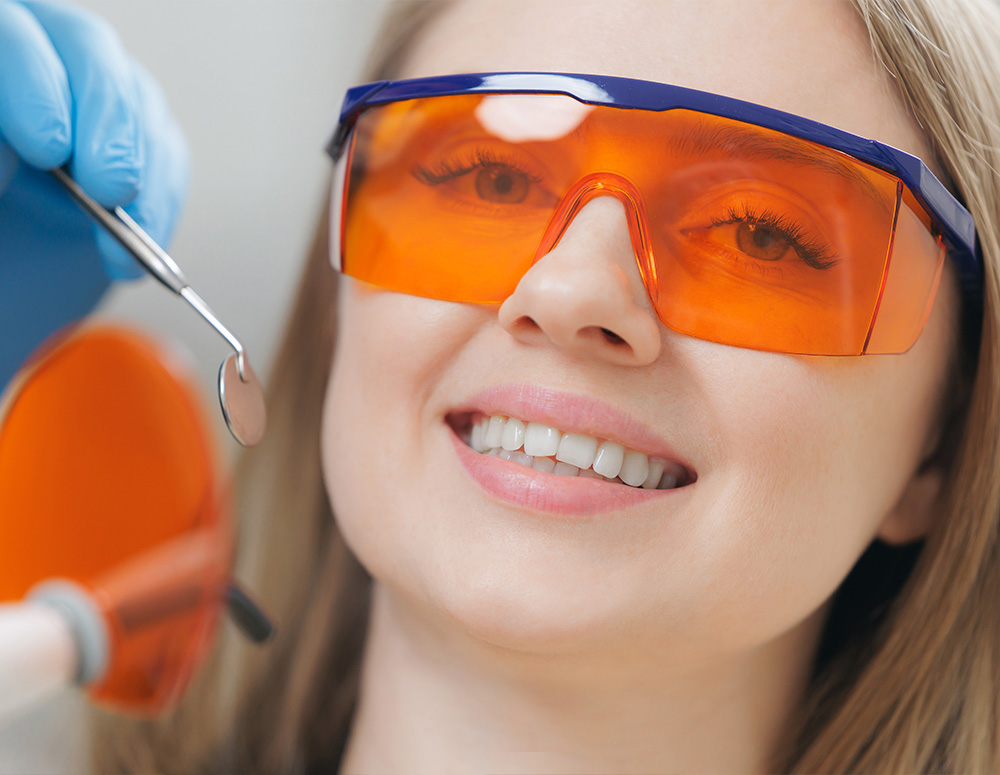
Planning for a ZOOM! Whitening appointment typically involves a brief pre-treatment evaluation to confirm suitability and to address any necessary preventive care. On the day of treatment, the dental team will prepare the mouth by isolating gums and lips and applying the whitening gel in measured intervals. The procedure is completed in cycles that usually total under an hour for the in-office portion, though individual sessions may vary slightly by protocol.
Following the appointment, it’s common to receive instructions for short-term care, such as avoiding highly pigmented foods and beverages for a few days and using gentle oral hygiene practices to preserve the newly achieved shade. Temporary sensitivity or minor gum irritation can occur for some people; these responses are typically short-lived and manageable with over-the-counter desensitizing products or recommendations from the dental team.
For longer-lasting results, many patients are offered a take-home whitening option or maintenance tips that fit their lifestyle. Custom trays and a lower-concentration whitening gel allow patients to refresh their shade at home under professional guidance, extending the benefits of the in-office procedure and helping retain brightness over months and years with minimal effort.
Whitening is often a first step in broader smile-enhancement planning. Because bleaching targets natural enamel, clinicians evaluate how whitening will complement or contrast with existing restorations and discuss whether additional cosmetic treatments—such as veneers, bonding, or crown replacement—might better address long-standing aesthetic goals. The goal is to deliver a cohesive result that looks natural and balanced across the smile.
Maintaining a bright smile is also a matter of routine care and lifestyle choices. Regular professional cleanings, mindful consumption of staining substances, and consistent home care slow the return of discoloration. Your dental team can recommend products and practices tailored to your needs, including refresher treatments if desired in the future.
Choosing a practice that emphasizes both cosmetic expertise and comprehensive dental health helps ensure whitening is performed in the context of overall oral care. The office of Chadha & Co Dental combines clinical judgment with cosmetic considerations to recommend the best approach for each patient’s unique situation.
In summary, ZOOM! Whitening is a professional option for people seeking noticeable, predictable lightening of natural tooth enamel. Performed under the supervision of a dental team, the procedure offers both in-office efficiency and compatible at-home maintenance. If you’d like to learn whether this treatment is a good fit for your smile, please contact us for more information about the process and what to expect.

ZOOM! Whitening is a professional bleaching system that uses a hydrogen peroxide-based gel applied under clinical supervision to lighten natural tooth enamel. The protocol typically involves measured application cycles and monitoring by a dental clinician to achieve predictable shade change. Because the procedure is delivered in a dental office, soft tissues are protected and adjustments can be made during the appointment to optimize comfort.
Over-the-counter kits use lower-strength ingredients and rely on patient-administered routines that can vary considerably in outcome. The in-office approach prioritizes consistency through standardized cycles and professional oversight rather than consumer-grade convenience. For patients seeking a faster, clinically controlled improvement, professional whitening provides advantages in reliability and safety.
The ZOOM! procedure begins with a brief evaluation and preparation that isolates gums and lips to protect soft tissues. A peroxide-based whitening gel is applied in measured layers and allowed to act in a series of timed cycles, and some providers use an activation method during those cycles to support the chemical process. The clinician monitors shade progression and comfort throughout, removing the gel at planned intervals and repeating cycles until the treatment window is complete.
Staff take steps to limit exposure to sensitive areas and can modify cycle length or application technique if a patient experiences discomfort. Many practices pair the in-office protocol with optional custom take-home trays and a lower-concentration gel to refine or maintain results. This combination allows clinicians to balance immediate improvement with longer-term upkeep under professional guidance.
Ideal candidates are adults with healthy natural tooth enamel and stable periodontal conditions, without active decay or significant gum inflammation. Whitening works best on extrinsic stains from food, beverages, tobacco and some intrinsic discoloration; it is less effective on restorations such as crowns, veneers or composite fillings. A dental exam before treatment helps determine suitability and identifies any dental needs to address first.
Patients with a history of pronounced sensitivity or compromised enamel may still proceed when the treatment plan is tailored to their needs. Options such as shortened application times, desensitizing protocols or a staged approach combining in-office and at-home care can improve comfort. A consultation lets the clinician outline a plan that balances effectiveness with patient comfort.
Short-term tooth sensitivity is a relatively common response after peroxide-based whitening and usually subsides within days to a few weeks. Sensitivity typically presents as brief reactions to hot, cold or sweet stimuli rather than persistent pain, and clinicians monitor responses during treatment to reduce intensity. Protective measures such as isolating soft tissues and controlling exposure times help minimize irritation during the appointment.
Management strategies include recommending or applying desensitizing agents, using shorter in-office cycles, and offering at-home products formulated for sensitive teeth. Patients are often advised to avoid highly acidic or abrasive oral care immediately after whitening and to follow clinician instructions for gradual reintroduction of routine products. When sensitivity is prolonged or severe, the dental team will evaluate for other causes and adjust care accordingly.
A typical in-office ZOOM! session involves a pre-treatment evaluation followed by the whitening cycles and usually totals under an hour for the in-office portion, though exact timing can vary by protocol and individual needs. On the day of treatment the dental team will prepare the mouth, isolate soft tissues, and apply the whitening gel in measured intervals while monitoring comfort and shade progression. The clinician will remove the gel between cycles and make any adjustments needed to optimize results.
After the appointment you will receive instructions for short-term care, such as avoiding highly pigmented foods and beverages and using gentle oral hygiene practices. Temporary gum irritation or sensitivity can occur, and the team will provide recommendations to manage these effects. Many patients are also offered custom trays or maintenance guidance to extend the benefits of the in-office procedure.
Duration of whitening results varies by individual factors, including diet, tobacco use, oral hygiene and the natural tendency of enamel to stain over time. Many patients enjoy noticeable brightness for months to years when they follow recommended maintenance, but periodic touch-ups are common to sustain the shade achieved. Using a combination of professional cleanings and careful lifestyle choices helps slow the return of discoloration.
For longer-lasting outcomes, clinicians often provide take-home trays with a lower-concentration gel for occasional refresh treatments under supervision. Limiting consumption of staining beverages, rinsing after meals, and using whitening toothpaste as advised can also help preserve results. Your dental team can recommend a personalized maintenance schedule based on your staining patterns and goals.
No, commonly used restorative materials such as porcelain crowns, veneers and composite fillings do not respond to peroxide-based bleaching the way natural enamel does. Because restorations maintain their existing color, whitening natural teeth can create a mismatch if restorations are present in the visible smile zone. A pre-treatment evaluation will identify restorations that may need review as part of aesthetic planning.
If achieving an even shade across natural teeth and restorations is important, clinicians may recommend whitening first and then replacing or adjusting visible restorations to match the new tooth color. Coordinating sequencing in this way helps deliver a balanced final result and avoids unexpected contrasts between bleached enamel and unchanged restorative materials.
Common, short-term side effects include transient tooth sensitivity and mild gum irritation, which typically resolve within days to a few weeks after treatment. More significant adverse effects are uncommon when whitening is performed under professional supervision and when pre-existing dental issues are addressed beforehand. A thorough oral exam helps reduce risk by identifying decay, cracked teeth, or periodontal disease that should be treated before bleaching.
Patients with certain dental conditions or compromised enamel may require modified protocols or alternative cosmetic approaches to avoid unwanted outcomes. Clear communication about dental history, medication use and prior sensitivity allows the clinician to recommend the safest option. If any unexpected reactions occur after treatment, contacting the dental team promptly ensures appropriate follow-up care.
Yes, whitening is frequently used as an initial step in a broader cosmetic plan because it can improve the appearance of natural teeth and guide color decisions for subsequent restorative work. Clinicians evaluate how whitening will interact with existing restorations and discuss whether procedures like veneers, bonding or crown replacement might be needed to achieve a cohesive smile. Coordinating sequencing helps ensure that restorations are matched to the final desired shade.
When multiple treatments are planned, the dental team creates a timeline that optimizes healing, color stability and overall aesthetics. Whitening first is often recommended so restorative materials can be color-matched to the new enamel shade, reducing the need for later adjustments. Your clinician will outline the recommended order of care to meet your cosmetic goals while preserving oral health.
Before your consultation, gather relevant dental history such as previous restorations, recurring sensitivity, and any recent dental work so the team can assess suitability and plan appropriately. It is helpful to avoid heavy staining agents such as coffee or tobacco in the days immediately before the visit and to maintain regular oral hygiene to present teeth in the best condition for evaluation. The consultation will include an exam and discussion of realistic expectations based on your dental health and staining type.
Bring any questions you have about comfort measures, post-treatment care and maintenance options so the clinician can tailor a protocol to your needs. If custom take-home trays are of interest, the team can explain how they integrate with in-office whitening for longer-term upkeep. Contact the office to schedule a consultation and to confirm any pre-appointment instructions specific to your situation.
Ready to schedule your next dental appointment or have questions about our services?
Contacting Chadha & Co Dental is easy! Our friendly staff is available to assist you with scheduling appointments, answering inquiries about treatment options, and addressing any concerns you may have. Whether you prefer to give us a call, send us an email, or fill out our convenient online contact form, we're here to help. Don't wait to take the first step towards achieving the smile of your dreams – reach out to us today and discover the difference personalized dental care can make.

Back to top